The Importance of Inline Skating Safety Gear
Inline skating is a high-velocity sport that demands both physical skill and a proactive approach to safety. Whether you are a beginner learning to balance or an advanced skater practicing aggressive maneuvers, the fundamental principles of injury prevention remain the same. Protective gear is not merely an accessory; it is a critical layer of defense against abrasions, fractures, and traumatic head injuries.
Understanding Risk Factors in Urban Skating
Skating in urban environments presents unique challenges, including uneven pavement, debris, and unpredictable traffic. Recognizing these hazards early is the first step in safety. Proper gear absorbs the kinetic energy of a fall, dispersing impact forces away from vital joints and the cranium.
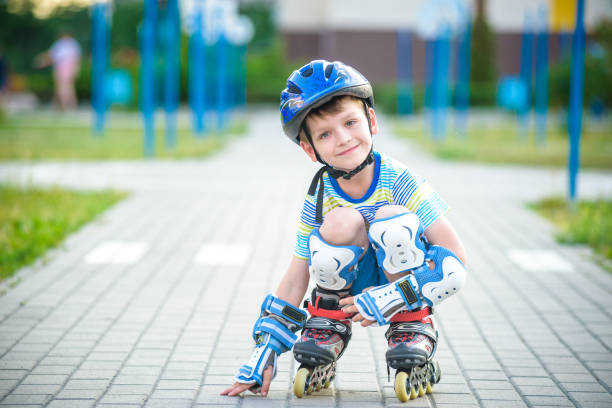
Selecting the Right Protective Equipment
Choosing the correct gear involves more than just picking a size; it requires understanding the material science and fit requirements of each component. High-quality gear should feature impact-resistant hardshell exteriors and high-density foam interiors.
The Essential Safety Checklist
- Helmet: Must be CPSC or EN1078 certified for multi-impact protection.
- Wrist Guards: Vital for preventing distal radius fractures; look for rigid splints.
- Knee Pads: Essential for protecting the patella during forward falls.
- Elbow Pads: Protect the ulnar nerve and surrounding soft tissue.
Strategic Gear Comparison
| Gear Type | Primary Function | Key Feature to Look For |
|---|---|---|
| Helmet | Traumatic Brain Injury Prevention | Ventilation & Adjustable Fit |
| Wrist Guards | Fracture/Sprain Prevention | Dual-Splint Support |
| Knee Pads | Patellar & Joint Protection | High-Density Foam Padding |
Frequently Asked Questions (FAQ)
- How tight should my safety gear be?
- Gear should be snug enough that it does not shift during movement but not so tight that it restricts blood flow or joint mobility.
- Do I need specialized gear for aggressive skating?
- Yes, aggressive skating involves higher impact risks; therefore, gear should be bulkier, feature thicker padding, and be designed for frequent high-velocity impacts.
- When should I replace my helmet?
- You must replace your helmet immediately after any significant impact, or every 3-5 years due to the natural degradation of the internal EPS foam.
- Are gloves an alternative to wrist guards?
- No. While gloves provide abrasion protection, they lack the rigid structural support necessary to prevent wrist fractures during a fall.